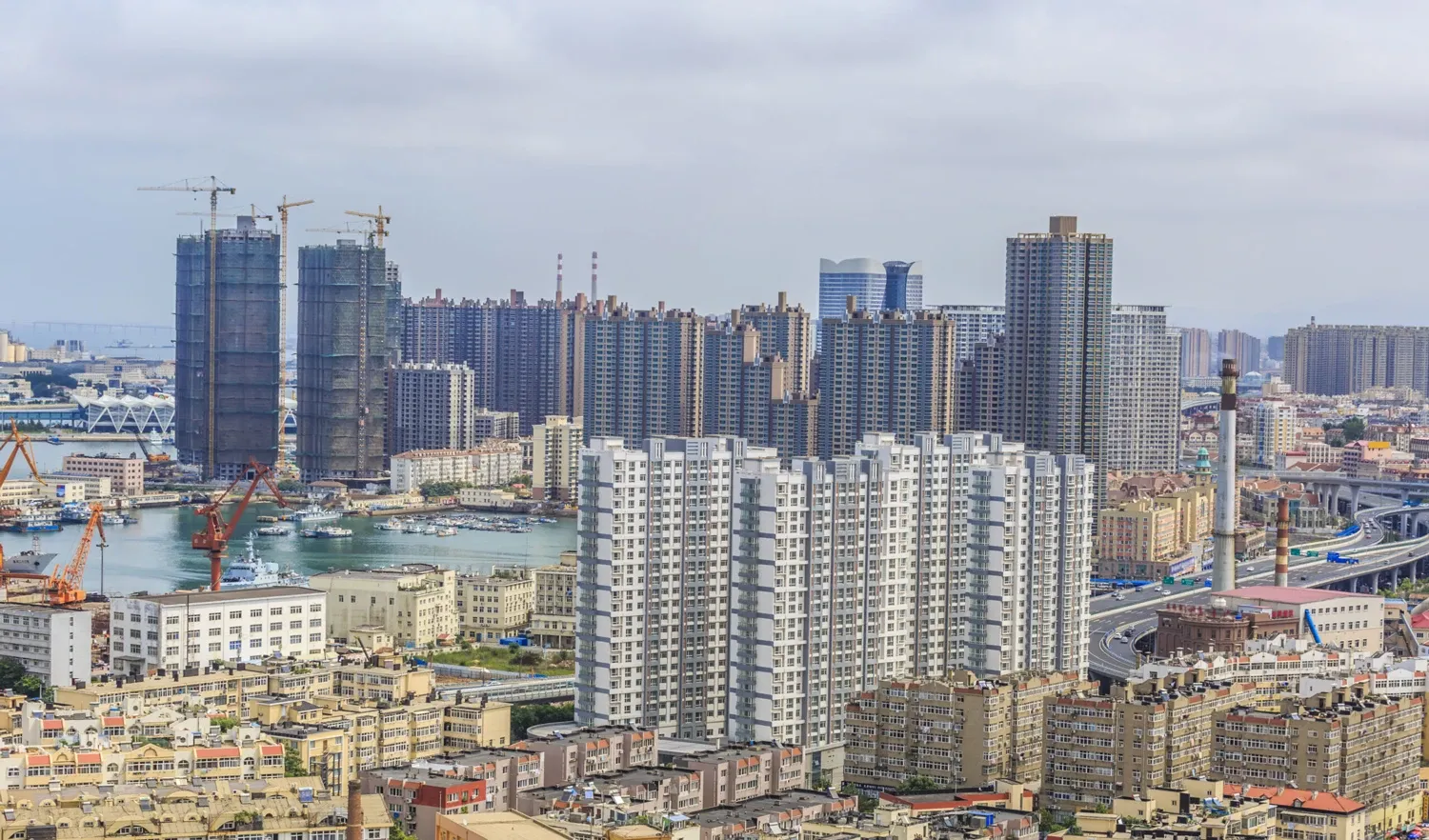
Urban transformation is no longer on the horizon; it is happening now. And at the centre of it sits a challenge that is permanent, complex and deeply consequential: housing.
An Ageing City Within the City
A significant portion of India’s urban housing was built between the 1960s and 1990s. Constructed for a different era, lower densities, simpler infrastructure, and fewer safety expectations, much of it is now deteriorating simultaneously. Structural fatigue, water seepage and material decline have turned what was once adequate housing into a quiet safety concern across dense urban neighbourhoods.
For decades, cities responded to growing demand by expanding their boundaries. That model is showing its limits. Longer commutes, infrastructure strain, land acquisition delays and environmental pressures make continuous outward growth increasingly unsustainable. Redevelopment offers a different answer, rebuilding within the city’s existing fabric, on land already connected to infrastructure, transport and established communities.
More Than Rebuilding
Redevelopment is not simply about replacing old structures. It improves land-use efficiency in areas where the city already functions. It responds to rising expectations around quality of life. And in established neighbourhoods with strong fundamentals, it enhances long-term asset value for residents and the wider area alike.
Policy frameworks are beginning to reflect this reality, with revised regulations and incentives gradually supporting the transition. The conversation is no longer whether redevelopment will happen; it is how thoughtfully it can be planned and executed.
The transformation of our neighbourhoods is inevitable. How well we approach it will define the safety, quality and resilience of urban India for generations.