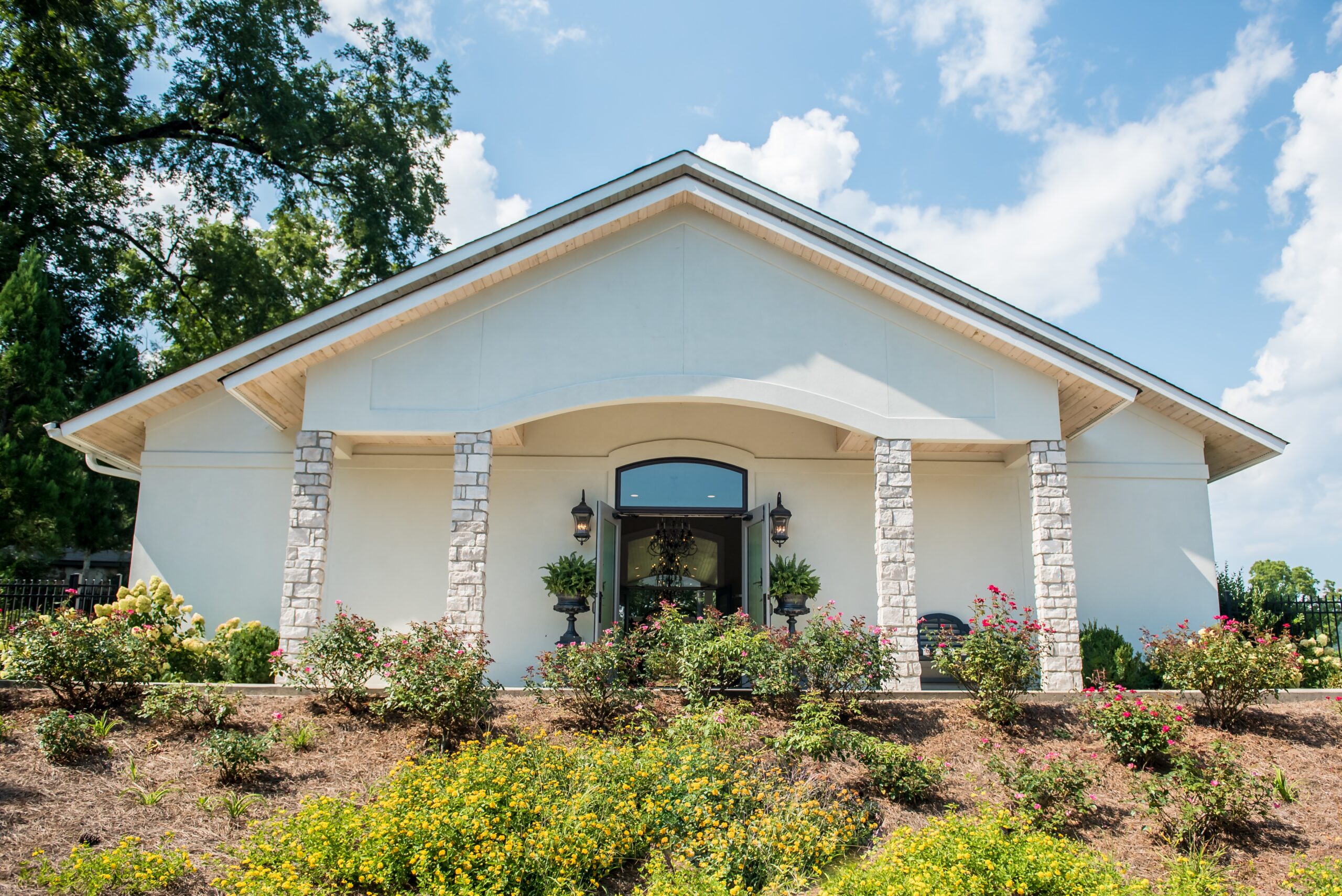
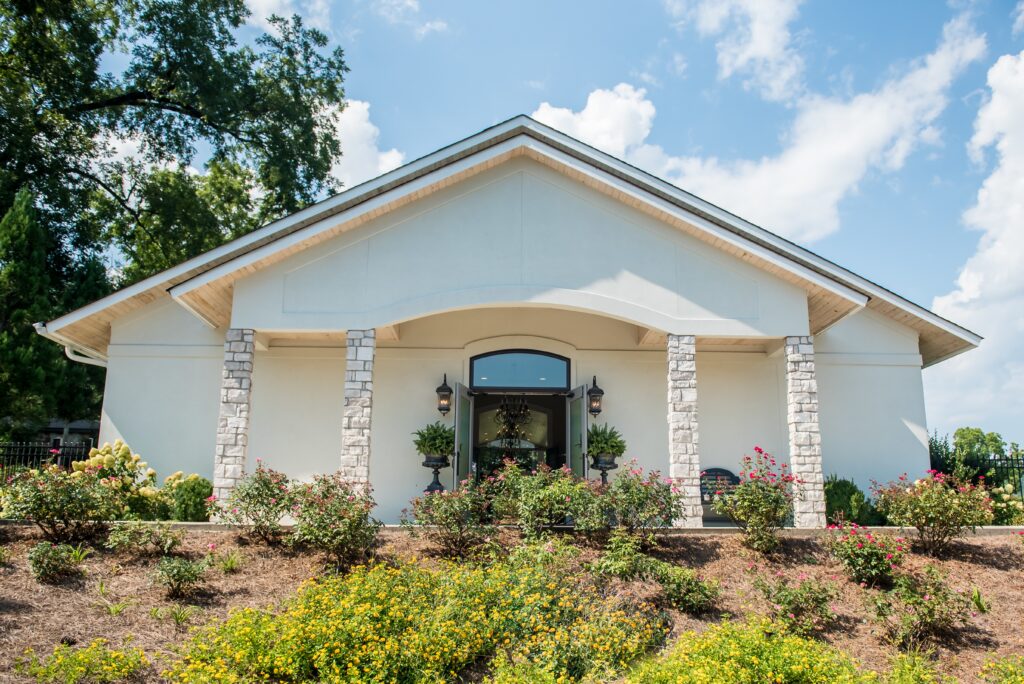
Every architectural project exists within a unique physical and environmental setting. Site context plays a critical role in shaping design decisions, influencing everything from building orientation and material selection to spatial planning and user experience. Understanding the surrounding environment allows architects to create spaces that feel connected, responsive, and timeless.
Climate is one of the most important contextual factors in architecture. Sunlight, wind direction, rainfall, and temperature conditions directly affect how buildings perform. Proper orientation and ventilation strategies can improve comfort while reducing energy consumption. Designing according to climate creates more sustainable and efficient spaces.
The surrounding landscape also influences architectural form and planning. Natural features such as slopes, trees, water bodies, and views often guide the positioning and layout of a structure. Rather than overpowering the environment, thoughtful architecture works in harmony with it, preserving the character of the site.
Cultural and urban context are equally significant. Buildings should respond to the identity of their surroundings while meeting modern functional needs. Materials, scale, and spatial relationships help architecture integrate naturally within its environment. This creates a stronger sense of belonging and continuity.
Site-responsive architecture also improves user experience. Natural light, visual connections, privacy, and outdoor interaction are all shaped by contextual planning. Spaces designed around their environment often feel more comfortable, intuitive, and meaningful to occupants.
Ignoring site context can result in inefficient layouts, environmental discomfort, and buildings that feel disconnected from their surroundings. On the other hand, architecture that respects context achieves greater balance between aesthetics, performance, and sustainability.
Ultimately, successful architecture is not created in isolation. It grows from an understanding of place, environment, and human experience. By carefully responding to site conditions, architects create spaces that are functional, enduring, and deeply connected to their surroundings.